
 Italiano

Summer in Italy is not only synonymous with sun, travel, and vacations: it’s also the time when some of the oldest, most authentic, and heartfelt traditions of Italian culture are celebrated.
From religious rites to folkloric festivals and true culinary celebrations, every Italian region offers a rich calendar of summer events that tell the story, traditions, and joy of living of the Italian people. Here are some of the most famous.
Faith and Community: Religious Processions
In many Italian cities and towns, summer is the time for important religious and patronal festivals.
A patronal festival is a religious and civic celebration organized in honor of a city’s patron saint, considered the protector of the community.
In particular, religious processions are a fundamental part of spiritual and community life. Some of the most important include:
Feast of Saint John – June 24
In many cities, including Turin, Florence, and Genoa, Saint John the Baptist is celebrated with solemn masses, processions, and fireworks. In Florence, for example, the day ends with a historic-costume soccer match and a fireworks show over the Arno River.
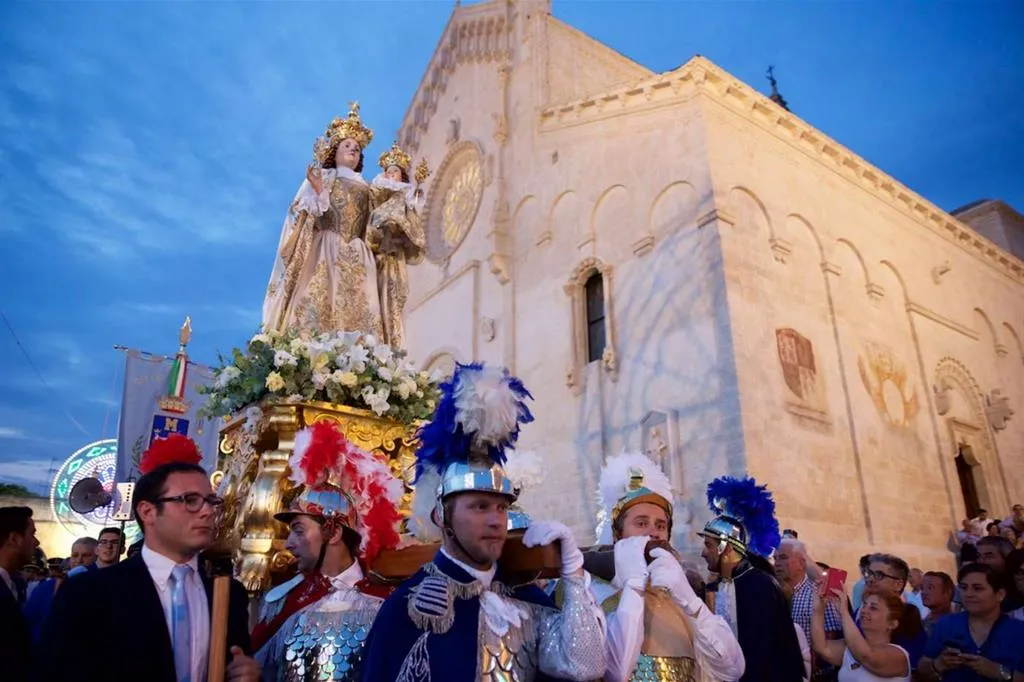
Our Lady of Bruna – July 2
One of the most spectacular and well-attended processions in Southern Italy. The Madonna’s float travels through the city of Matera and is ultimately destroyed by the faithful in a symbolic rite of renewal.
Feast of the Assumption – August 15
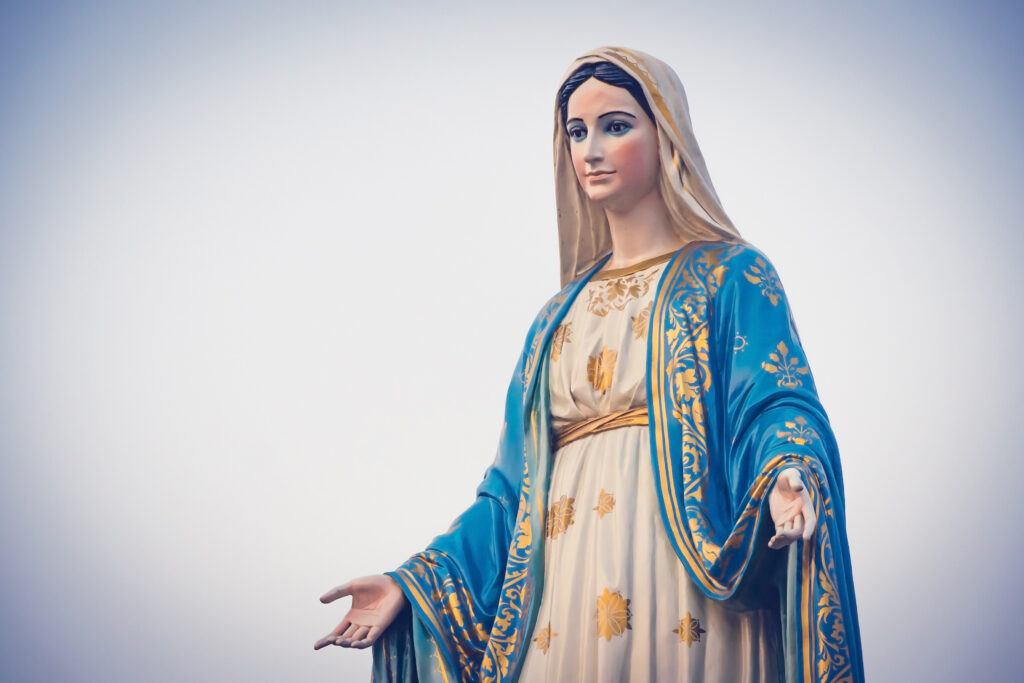
One of the most important religious celebrations in Italy. It commemorates the Assumption of the Virgin Mary into Heaven, according to Catholic tradition. In many towns and cities, the festival includes solemn processions with a statue of the Madonna carried on shoulders by the faithful, liturgical celebrations, masses, prayers, village fairs, concerts, and fireworks.
Folkloric Traditions: The Past Alive Today
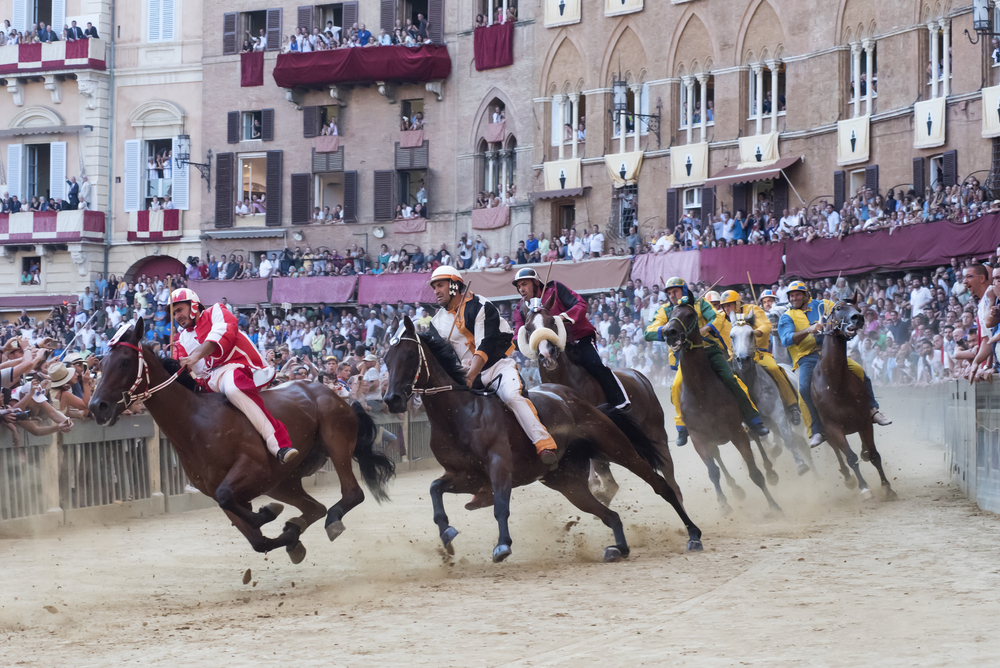
The Palio of Siena – July 2 and August 16
One of Italy’s most famous events. Ten districts of the city compete in a horse race around Piazza del Campo, amid passionate popular participation and local pride. The Palio is more than a race—it includes a series of rituals and celebrations involving the entire city in the days and weeks leading up to the event.
The Quintana of Ascoli Piceno – July and August
A historical medieval reenactment held annually in the Marche region between July and August, attracting thousands of visitors.
It is one of the most famous knightly jousts in Italy, with two main events: the July Quintana (“Sant’Emidio’s,” patron of the city) and the August Rematch Quintana.
After a parade in 17th-century costumes with over 1,500 participants, the knights of the city’s six historical districts compete by trying to strike a target with a lance while on horseback.
Sagra del Redentore – Third Sunday of July
Held in Nuoro, this religious and folkloric festival combines pilgrimages, traditional songs, and typical Barbagia clothing. It commemorates the placement of the statue of the Redeemer on Mount Ortobene.
The celebration, which involves the entire community, is an occasion to honor Sardinian culture and folklore, with parades, songs, and dances.
Food Festivals and Gastronomic Events: The Taste of Summer
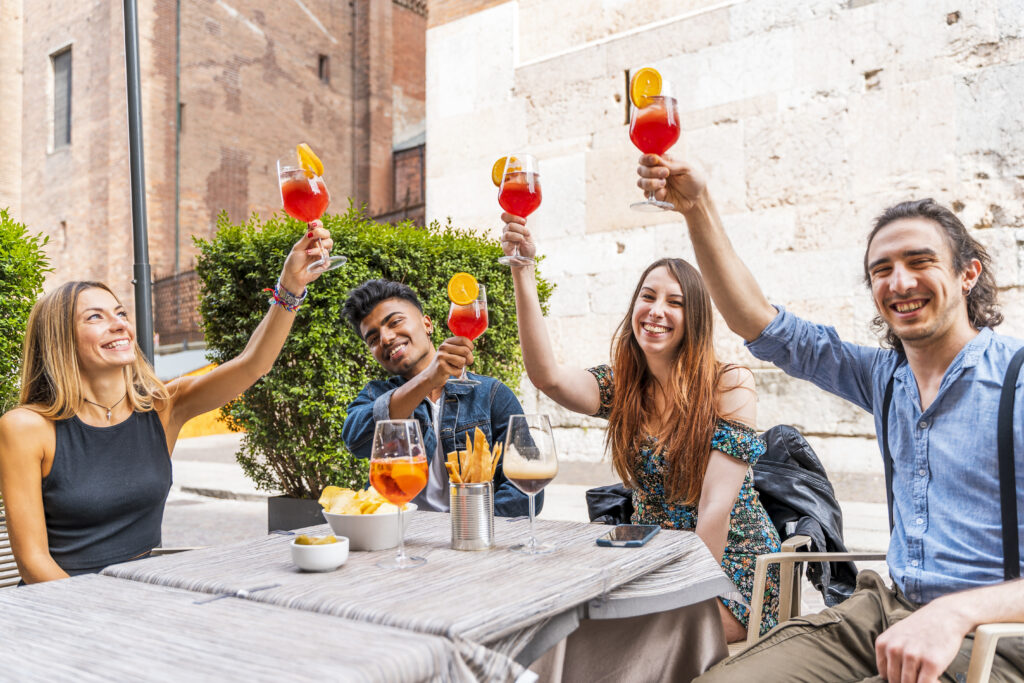
Italian summer is also the season of sagre—local food festivals dedicated to traditional products or dishes. These events offer a unique opportunity to discover the authentic flavors of each region.
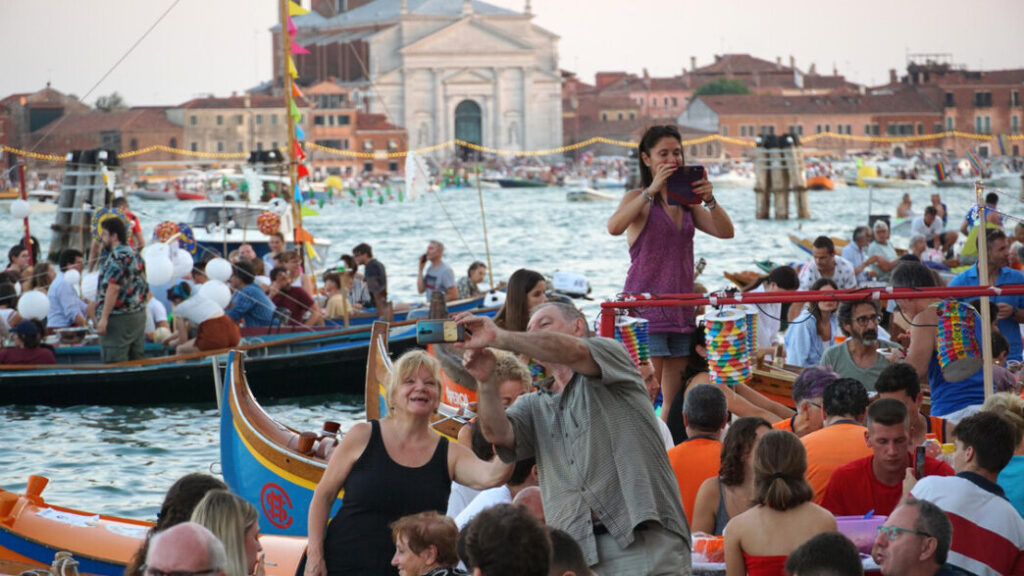
Italian summer is also the season of sagre—local food festivals dedicated to traditional products or dishes
These events offer a unique opportunity to discover the authentic flavors of each region.
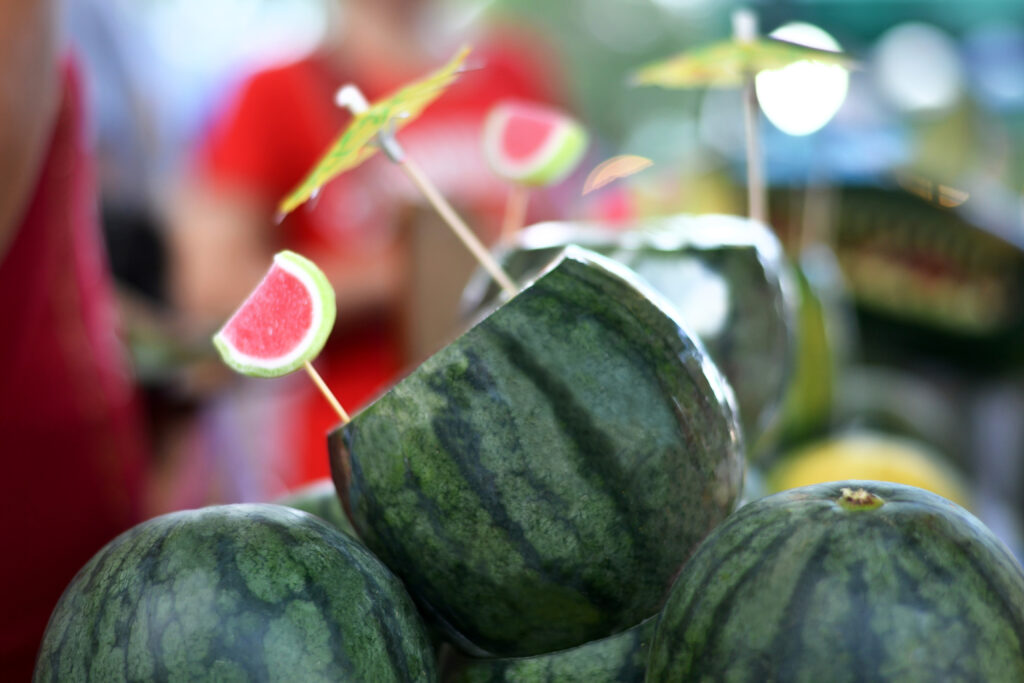
Watermelon Festival – August 15
Ferragosto is often celebrated in many cities with public “cocomerate,” where people enjoy watermelon in the square, play water games, and dance to traditional music.
Fish Festival – Second Saturday of July
In Camogli, Liguria, tradition calls for an enormous frying pan to cook hundreds of kilos of bluefish, distributed free to attendees. A popular seaside event.
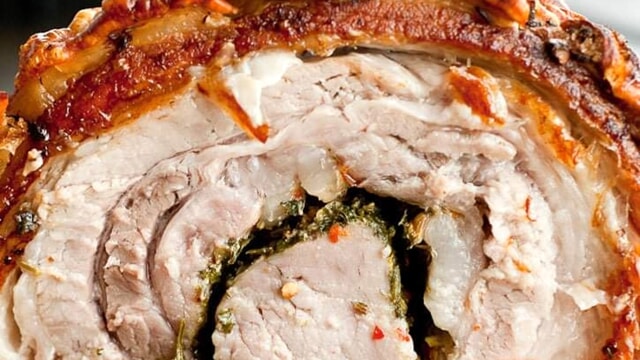
Porchetta Festival – August
A centuries-old tradition in the Roman Castles area, celebrating porchetta—roast pork seasoned with herbs. Held in Ariccia, Lazio, with food stalls, music, and historical reenactments.
Red Onion Festival – July
In Calabria, the sweet Tropea red onion is the star of both traditional and innovative dishes. Stalls, concerts, and tastings animate the Calabrian village in July.
Wild Boar Festival – August
In late August, Capalbio in Tuscany hosts this festival celebrating wild boar cuisine: pappardelle, stew, sausages. All accompanied by Maremma wines and local folklore.
Other Unique Celebrations
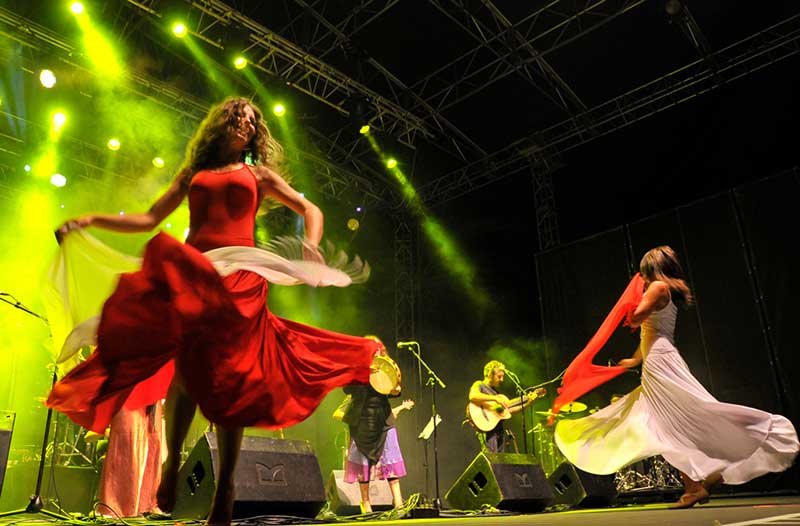
La Notte della Taranta – August
A music festival held every August in Salento, Puglia. Dedicated to the pizzica, a traditional dance linked to the ancient rite of “tarantism,” the festival lasts several weeks, touring various Salento towns with concerts, workshops, and cultural events. It concludes with a grand final concert in Melpignano, drawing tens of thousands of spectators.
Luminara of San Ranieri – June 16
The Luminara of San Ranieri is Pisa’s enchanting celebration held on June 16, the eve of the patron saint’s feast. Starting at 7 PM, the streets along the Arno River (Lungarni) are lit with about 100,000 wax candles.
All public lighting is turned off, and the candlelight creates a magical atmosphere, reflected on the river. The evening ends with spectacular fireworks. The next day, June 17, features the Palio of San Ranieri, a traditional boat race on the Arno between the city’s four historic districts.
Why Take Part in These Traditions
Participating in these events is an extraordinary way to learn the Italian language and culture firsthand. Students of Italian can use the summer to experience the country authentically, learn local expressions, taste regional dishes, and form connections with the community.